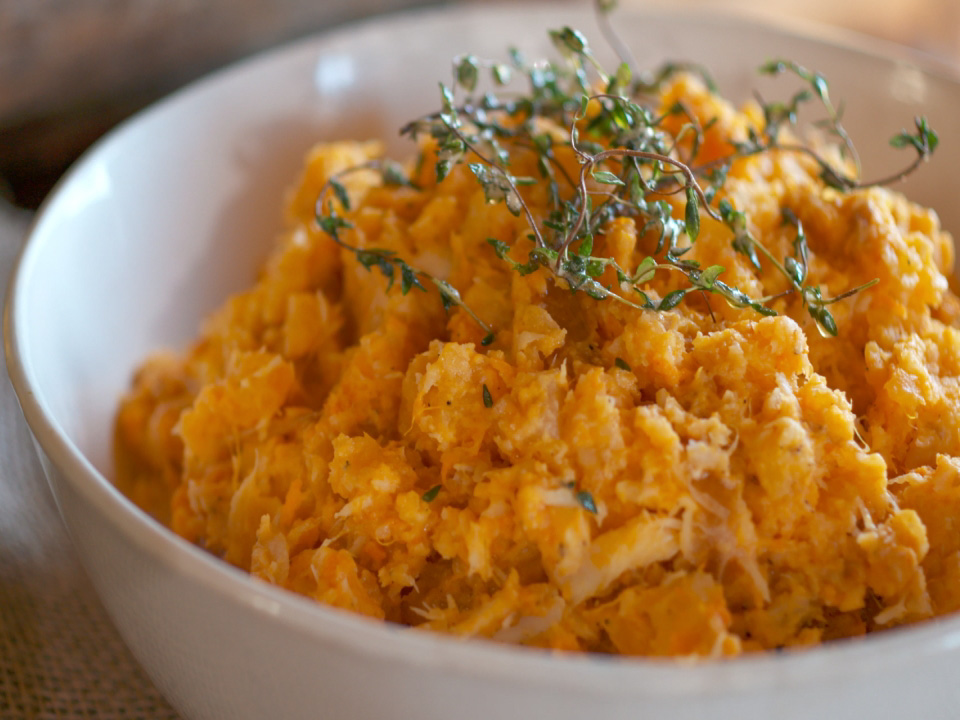
Mashed root vegetables may sound like a simple comfort food, yet they carry remarkable potential for supporting healthy aging, whether a senior lives independently or in assisted living communities. The naturally soft texture makes them easy to chew and swallow, while their earthy flavors evoke familiar memories that stimulate the appetite.
When white potatoes, carrots, sweet potatoes, parsnips, turnips, and even beets are lightly seasoned and gently puréed together, the dish delivers vitamins, minerals, and slow‑burning carbohydrates in a single, spoonable serving.
Gentle Nutrition Packed in Every Spoonful
Behind the velvety mouthfeel of a well‑whipped mash lies a treasure trove of nutrients essential for seniors. Carotenoids from carrots and sweet potatoes help maintain eye health, potassium in white potatoes and turnips supports steady blood pressure, and beet nitrates encourage circulation.
Because these vegetables are cooked until tender and then blended, their fiber remains intact yet is far easier on sensitive stomachs than raw salads. Add a splash of fortified milk or Greek yogurt for protein and calcium, and each helping becomes a balanced mini‑meal that steadies energy levels without overwhelming aging digestive systems.
Flavorful Variety Keeps Palates Interested
Taste fatigue often undermines healthy eating, so rotating root combinations can rekindle enthusiasm at the dinner table. Mixing sweet potatoes with parsnips yields a subtle maple‑like sweetness, while blending beets with carrots produces a rosy mash that looks as cheerful as it tastes.
Herbs and gentle spices—think dill, nutmeg, or smoked paprika—layer complexity without relying on excess salt. A drizzle of olive oil or a pat of unsalted butter adds richness that carries fat‑soluble vitamins A and E deeper into the body, ensuring seniors enjoy both flavor and functional nourishment.
Simple Preparation for Caregivers and Seniors
Convenience matters to busy family members and professional caregivers alike. Fortunately, mashed root vegetables require minimal equipment: a pot, a masher or immersion blender, and basic seasonings. Vegetables can be peeled and cubed in advance, stored in airtight containers, and boiled in under twenty minutes.
Large batches freeze beautifully in single‑serve portions—just thaw, reheat, and stir in a little warm milk for a fresh‑made texture. For seniors who like to stay active in the kitchen, mashing with a sturdy fork offers gentle hand exercise that maintains grip strength without fatigue.
Tips to Encourage Regular Consumption
Making root veggie mash a staple involves small, strategic habits. Serve it at lunch when appetites are strongest, or swirl a scoop into soup for a creamy body without heavy cream. Replace half the pasta in baked casseroles with carrot‑parsnip mash to lower refined carbs while preserving familiar comfort.
Present colorful varieties side by side—golden sweet potato, pale turnip, deep crimson beet—to entice hesitant eaters visually. Finally, celebrate seasonal produce: highlighting fresh harvests from local markets links the dish to the community and keeps menus evolving throughout the year.
Conclusion
When thoughtfully prepared, mashed root vegetables offer far more than nostalgia; they provide digestible nutrition, culinary excitement, and practical ease for seniors and their caregivers. By elevating this humble dish from occasional side to everyday anchor, families can support stronger immunity, steadier energy, and joyful mealtimes that nourish body and spirit alike.
Leave a Reply