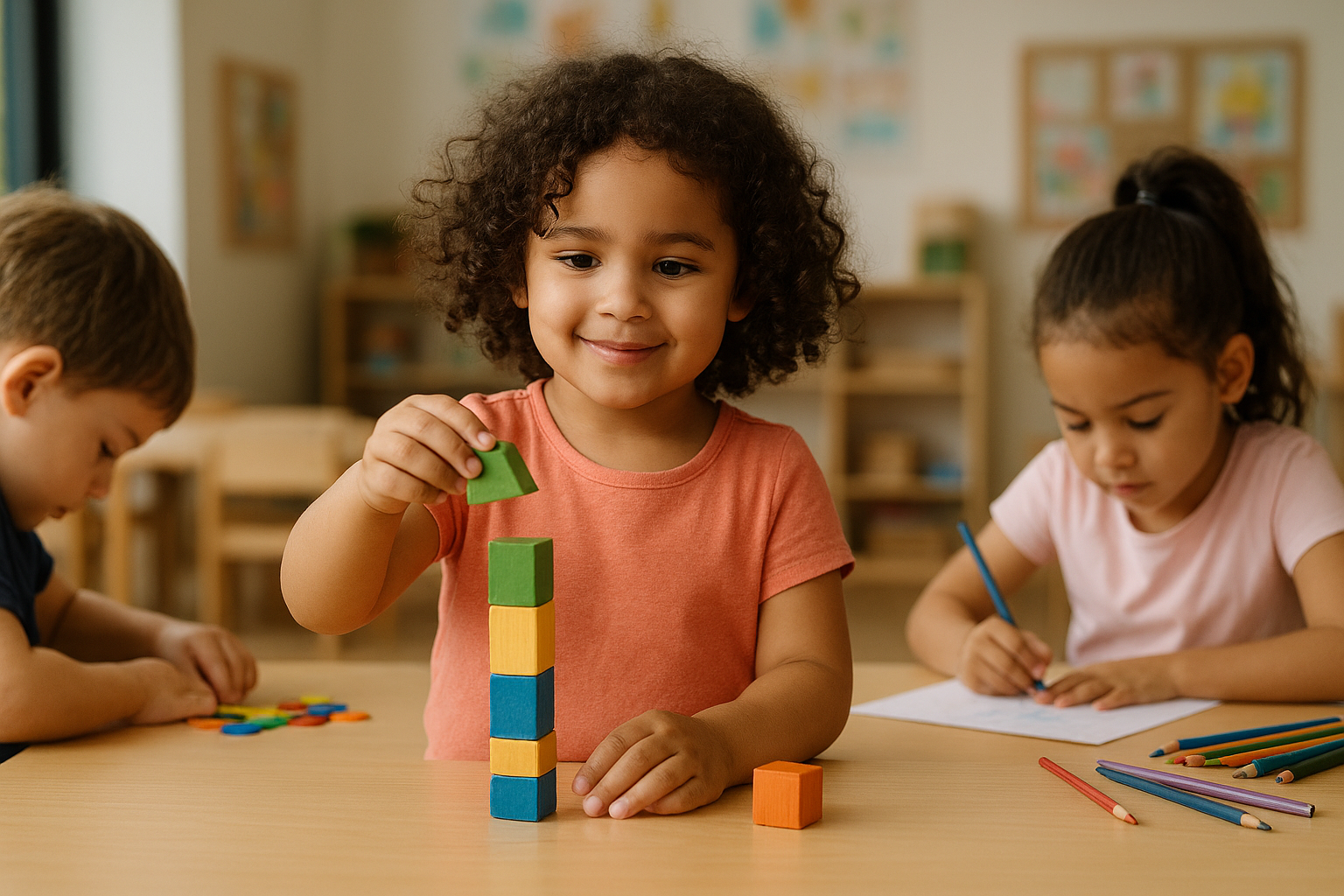
When we think of early learning, it’s easy to fall into the trap of seeing it as just a form of childcare. However, this perspective overlooks the profound impact that quality early childhood education can have on a child’s development. Early learning is far more than a place to leave children while parents are at work. It is a critical stage in a child’s cognitive, emotional, and social growth, laying the foundation for lifelong success.
At a high-quality early childhood education centre, children engage in activities that go beyond basic care. These centres provide structured learning experiences designed to help children develop essential skills, interact with peers, and nurture a love of learning that will benefit them throughout their lives. In these formative years, children’s brains are developing at an incredible rate, and every experience plays a role in shaping their future.
Here’s why early learning is so much more than just childcare:
1. Cognitive Development
During the early years, a child’s brain develops at an extraordinary pace. This period is crucial for nurturing cognitive skills such as problem-solving, language acquisition, and memory. Through carefully designed play and interactive activities, children form the neural connections that lay the groundwork for learning throughout their lives.
Key cognitive skills developed include:
- Language and vocabulary
- Early numeracy and literacy
- Logical thinking and reasoning
Enrolling your child in a high-quality early childhood education centre ensures that their brain receives the stimulation and support needed to grow in a healthy, productive way. These formative years shape how children approach learning for years to come, making it essential to provide them with enriching, stimulating environments.
2. Social and Emotional Growth
Early childhood education plays a vital role in helping children navigate social interactions and develop emotional intelligence. During this stage, children learn essential skills such as communication, sharing, and forming relationships with others. These early social experiences are fundamental in building emotional regulation, empathy, and resilience, skills that are crucial throughout life.
Benefits of early social development:
- Learning to share and cooperate with peers
- Understanding and managing emotions
- Building self-confidence and self-control
A high-quality early learning centre offers a structured environment where children can interact with others in a safe, supportive space. Here, they have the opportunity to learn important social skills, develop emotional resilience, and gain the confidence needed to navigate the world around them.
3. Physical Development
Physical development goes beyond just learning to walk or run; it involves the growth of both gross and fine motor skills, as well as the development of hand-eye coordination. In a high-quality early childhood education centre, children are provided with numerous opportunities to engage in physical activities, from playing with toys and building blocks to participating in outdoor play. These activities not only support the development of motor skills but also help children build strength and coordination.
Physical development milestones include:
- Improved coordination
- Strengthening muscles and bones
- Enhancing hand-eye coordination
4. Building a Lifelong Love of Learning
One of the most significant benefits of early learning is that it helps to foster a love of learning from an early age. Children are naturally curious, and early education helps them channel that curiosity into productive exploration. When learning is fun and interactive, it builds a sense of excitement that can last throughout their academic journey.
How early learning fosters a love of learning:
- Exposure to new ideas and concepts
- Encouragement of curiosity and independent thinking
- Development of problem-solving abilities
The early years are crucial in setting children on a positive trajectory for lifelong learning. By creating an engaging and supportive environment, early learning centres inspire children to approach challenges with excitement and a sense of wonder, cultivating an enduring passion for discovery.
5. Readiness for School
By the time children reach formal school age, those who have participated in high-quality early learning programmes are generally better prepared both academically and socially. They enter school with foundational skills in reading, writing, and problem-solving, which makes their transition into school life much smoother.
Skills developed for school readiness:
- Early literacy and numeracy
- Understanding of routines and structure
- Ability to work independently and with others
Children who attend an early childhood education centre are often more confident and better equipped to handle the challenges of primary school. With exposure to essential academic and social skills, they’re more likely to succeed and thrive in a formal school environment.
Conclusion
Early learning is so much more than a place to leave children while parents work,it’s a crucial stage in a child’s development that shapes their cognitive, emotional, and social growth. By investing in quality early childhood education, you’re providing your child with the foundation they need to thrive, both academically and socially, throughout their lives. These early years lay the groundwork for future success, helping children develop the essential skills and confidence to navigate challenges and opportunities.
Leave a Reply