Family Ever After Blog

Family Ever After Blog

  • Home
  • About
  • Lifestyle
  • Family
  • Tips
  • Food
  • Baby
  • Blog
  • Contact

November 12, 2025 by Sofia

How to Protect Yourself When Hiring a Home Builder

So, you’re finally ready to build your dream house. You’ve saved, you’ve sketched floorplans on napkins, you might even have a Pinterest board full of swoon-worthy kitchens. But before you sign that contract and hand over your hard-earned money, you need to put on your “smart consumer” hat. Hiring a home builder isn’t just about picking the one with the flashiest brochure—it’s about protecting yourself from headaches, heartbreak, and surprise bills down the line.

Start with Homework (Not the Most Fun, But Worth It)

Dig deep before you even call a builder. Hop online and look for real reviews: the kind written by actual homeowners, not just glowing testimonials on the builder’s own site. If possible, ask neighbors or friends for referrals. Don’t be shy about requesting addresses of finished homes or even speaking with previous clients. Honest pros are proud to show off their work and happy to give references.

Check Credentials Like You’d Check the Expiry on Milk

Is the builder licensed and insured? Are all their credentials up to date? These details might feel boring, but they’re your first line of defense. A legitimate builder should have no problem showing you proof of insurance, warranty guarantees, and local licenses. If they dodge the question or “just haven’t gotten around to that paperwork,” walk away. Fast.

Get It in Writing (Everything!)

Handshake deals make for good country songs but bad construction projects. Your contract should lay out every detail: the timeline, the costs (including what’s NOT included), materials, payment schedule, and what happens if things go off track. If anything is unclear or missing, flag it right away. Don’t sign until you truly understand every single line. This is where hiring a construction attorney can really save your skin—they know what to watch for and can spot “gotchas” you’d never think of.

Avoid Big Upfront Payments

Beware of any builder who asks for a huge chunk of the money before work even starts. A reasonable deposit is fine, but reputable builders operate on a milestone system: you pay in installments as certain parts of the project get completed. If someone’s pushing for a giant check right out of the gate, that’s a red flag.

Clarify Change Orders and Surprises

Even the best-planned builds hit speed bumps—weather, supply delays, or changes to your own wish list. Make sure your contract explains how changes (aka “change orders”) will be handled. Get any new cost increases in writing. It’s easy to agree to “just one more” upgrade until you see the final bill, so stay on top of additions.

Communicate—And Document Everything

Regular, clear communication keeps everyone honest and accountable. Keep a running log of emails, texts, and conversations about progress, setbacks, and costs. Take photos as the build goes along. You don’t have to record every nail hammered in, but documenting stages can help solve disputes and keep your project moving.

Know Your Rights

Home builds are big investments, and disputes do happen. Familiarize yourself with the local building regulations and timelines for inspections. If things really go sideways, you’ll be thankful you paid attention—and that you have all your files in order.

At the end of the day, building your home should be exciting. Protecting yourself upfront means fewer 2 a.m. headaches and more nights spent dreaming about your future kitchen. And hey, who doesn’t want that?


 

November 12, 2025 by Sofia

The Benefits of Passive House Design in Residential Construction

Building a home that sips rather than guzzles energy no longer feels like a futuristic fantasy. Passive House design—a rigorous standard born in Germany—has migrated from niche experiment to credible option for residential construction.

By focusing on super-insulation, airtightness, and heat-recovery ventilation, this approach slashes utility bills while nurturing healthier living spaces. Homeowners who embrace it discover that comfort, sustainability, and prudence can coexist under one roof. The sections below outline the core benefits of choosing a Passive House build.

Ultra-Low Energy Consumption

A Passive House is engineered to keep conditioned air where it belongs: inside. Extra-thick insulation, triple-pane windows, and meticulous sealing reduce thermal bridges so effectively that heating and cooling systems downsize dramatically, often to the size of a hair dryer. Studies show energy demand can fall by up to 90 percent compared with conventional code-built homes, turning monthly utility costs into pocket change.

Over a thirty-year mortgage, those savings frequently offset the premium of better materials and craftsmanship, making the investment financially savvy. Those predictable expenses free cash for travel or investments.

Superior Indoor Comfort and Health

No more frigid drafts in January or hot spots in July. The uniform envelope of a Passive House produces even temperatures throughout every room, and continuous ventilation supplies a steady flow of fresh, filtered air. Pollens, dust, and outdoor pollutants are captured before they circulate, supporting easier breathing and fewer allergy flare-ups.

Consistent humidity levels prevent mold growth, and the thick envelope muffles traffic noise, creating a quiet refuge where occupants feel better and sleep soundly. Cleaner air also guards kids and seniors against respiratory flare-ups.

Positive Environmental Impact

Lower energy demand doesn’t just shrink bills—it shrinks a home’s carbon footprint. Because heating and cooling accounts for the lion’s share of residential emissions, a Passive House can cut operational CO₂ output by thousands of kilograms annually.

Builders often pair this efficiency with rooftop solar arrays, creating net-zero or even net-positive dwellings that feed clean power back to the grid. Choosing low-VOC, recycled, and sustainably sourced materials deepens the green profile.

Long-Term Value and Durability

An airtight shell, resilient insulation, and careful moisture management translate into structures that age gracefully. Components last longer because they are shielded from condensation cycles that plague standard walls and attics. Appraisers increasingly recognize the resale premium tied to predictable energy costs and verified resilience.

Builders also protect delicate finishes during the construction phase by deploying temporary construction mats, preventing ground damage and keeping job sites orderly. The combined result is a house that commands higher value, lower maintenance, and greater peace of mind for decades.

Conclusion

In summary, Passive House design trades a modest up-front investment for decades of comfort, savings, and environmental stewardship. As energy codes tighten and homeowners seek future-proof solutions, this rigorous standard offers a clear roadmap toward smarter and sustainable living. Embracing it today ensures homes remain valuable and resilient for generations.


October 29, 2025 by Sofia

Making the Jump: Tips for Moving Your Family from a Small Condo to a Bigger Home

So, you’ve decided it’s time to stretch out—literally. Maybe your family’s tired of bumping elbows in the hallway or tripping over toys in the living room (been there, bought the T-shirt). Moving from a snug condo to a spacious house is a pretty big deal, and, yep, it’s a lot to handle. But with a bit of planning, some patience, and maybe a knack for laughing at the chaos, your transition can actually be kind of awesome.

Packing Up: Less Clutter, More Breathing Room

First, let’s talk stuff. Kids collect things like magpies—action figures, shoes that don’t fit anymore, school projects that may or may not be chewed on the corner. Resist the urge to pack it all. Take this move as a perfect excuse to purge. Go room by room, or better yet, category by category (thanks to Marie Kondo for that one). Ask yourself, “Have we used it in the last year?” If not, set it free! You’ll save time, moving costs, and unpacking headaches down the road.

Make it a family game—who can fill their donation box fastest? Kids will probably surprise you. Plus, it honestly makes the new house feel lighter from the start.

Think Through the New Space (Before You Get There)

Once you know where you’re headed, sketch out where things might fit. That overstuffed couch you crammed into your old living room may look lost in a bigger den. Remember, just because you have more square footage now doesn’t mean you need to fill every inch right away. Give yourselves a little grace to live in the space and figure out where everyone really hangs out. Sometimes the kitchen becomes homework central, and sometimes that third bathroom is just storage (at least for a while).

Don’t Forget About the Condo!

If you still own your old place, take a breath and think about your condo resale value. A quick clean-out usually helps, and maybe touch up walls or swap out light fixtures to make it pop to future buyers. Even small fixes can make a difference. If you’re selling, check what other condos in your building have sold for so you don’t get blindsided. This way, you might even get a little more money to feather your new nest.

The Logistics: Movers, Trucks, and Surviving Moving Day

This is the part where everyone gets a little stressed (or a lot, if you’re me). Book your movers early—trust me, I waited too long once and ended up bribing my brother-in-law with pizza and the promise of “it’ll only take one trip.” Spoiler: it didn’t. If you’re doing it yourself, label the boxes clearly, and pack a “first night” box with pajamas, toothbrushes, and a phone charger. Nothing feels better after a sweaty day than not digging through a mountain of boxes to find clean socks.

Settling In: Breathe, Explore, and Let It Feel Like Home

Give yourself time to settle in. The first night might be pizza on the floor (again, that’s kind of a rite of passage), and that’s totally fine. Meet your new neighbors, walk the block, find the best coffee spot, and let the kids majorly scope out their new rooms. Turns out, making memories doesn’t need much furniture at all.

If you let go of the pressure to make it perfect from day one and instead let your family write the new chapter as you go, you’ll probably find the big house starts to feel like home faster than you expected. And hey, extra closet space never hurt anyone.


October 17, 2025 by Sofia

How to Survive a Roof Replacement (Without Completely Losing Your Mind)

So, you’ve finally pulled the trigger on getting that roof replaced. Maybe you’ve been patching leaks for years, or you just couldn’t ignore the missing shingles any longer. Either way, welcome to the unique chaos of roof replacement. There’s noise—lots of it. There’s dust. Sometimes there’s even the surprise of someone waving at you from outside your bedroom window. It’s temporary, but let’s be real, it’s a little wild.

If your house is about to become a construction zone, don’t panic. Here’s how to help your family get through it with sanity and your sense of humor mostly intact.

Be the Early Bird: Prep Like a Pro

A little bit of prep goes a long way. Start with the basics: move your cars off the driveway, tuck away patio furniture, and let the kids know the backyard is off-limits for a bit. (That’s prime falling-nails territory. No one wants a tetanus shot as a souvenir.) If there’s a garden you care about right under the eaves, toss an old sheet or tarp over your favorite plants. You’ll pat yourself on the back later.

Inside, things get weird. Hammering overhead can knock stuff off shelves and rattle picture frames—seriously, I learned this the hard way. Take down the breakables and secure anything that might shimmy itself off a ledge.

Brace for Noise (and Vibration…and the Occasional Surprise)

The phrase “it sounds like a herd of elephants” was probably coined by someone getting a new roof. From sunrise to wrap-up, banging and thumping will be part of the soundtrack. If you can, move little ones (and four-legged family members) to the quietest part of the house or—if Grandma lives nearby—maybe send them for a fun “vacation.”

For remote workers, headphones are your new best friend. It’s not a perfect fix, but a playlist or white noise machine will help you keep at least some of your zen.

Communication: Your Secret Weapon

Give your family a heads-up about the schedule. Some roofing crews arrive painfully early (I’m talking coffee-not-even-brewed-yet early), and you don’t want to meet them in your pajamas. Chat with your roofing services company about the project timeline so surprise visits are kept to a minimum.

Let neighbors in on the plan, too. A simple text does wonders for goodwill if the whole block is getting woken up—especially if you throw in baked goods as an apology after everything’s done.

Safety Moments and Kid Curiosity

Something about a ladder and a giant garbage container draws kids like moths to a flame. Set boundaries early. Maybe invent a fun “helmet zone” if the kids are dying to get a sneak peek. (Spoiler: You’ll probably still catch them pressed against a window, narrating the workers’ every move.)

Keep the Big Picture in Mind

Yeah, it’s messy, but a couple days of chaos buys peace of mind for years. Before you know it, the tools will be packed up, the noise will fade, and your house will be safer (and probably look a lot better too).

With a little patience—and maybe some extra snacks—you’ll come out the other side with a brand-new view every time you pull up the driveway. That’s worth a little chaos, don’t you think?


September 30, 2025 by Sofia

Linen Curtains for Small Spaces: Optical Tricks & Styling Tips


Decorating a small space can be challenging, but the right linen curtains can make a world of difference. Beyond their natural elegance and timeless texture, linen drapes have a unique ability to visually alter a room’s proportions, making it feel brighter, taller, and more open. Whether you prefer natural linen curtains for a warm, organic touch or white linen curtains for a fresh, airy vibe, the right styling can transform even the most compact rooms.

Go Floor-to-Ceiling for Height

One of the easiest ways to create the illusion of taller walls is to hang your linen curtain panels from just below the ceiling and let them fall all the way to the floor. This uninterrupted vertical line draws the eye upward, making ceilings appear higher. In small bedrooms or living areas, sheer linen curtains can keep the effect light and avoid overwhelming the space.

Choose Lighter Shades for Airiness

Colors like cream linen curtains and white linen curtains reflect more light, helping small rooms feel open and airy. Lighter shades pair beautifully with both neutral and bold wall colors, adding a soft, welcoming glow. For a subtle twist, green stripe curtains can bring in a gentle pattern that still feels fresh without closing in the space.

Layer for Depth

In small rooms, texture is your friend. Layering sheer linen curtains behind heavy linen curtains can add dimension without cluttering the space. This combination lets you control privacy and light while keeping a polished, tailored look.

Match Curtains to the Wall Color

For a seamless, expanded feel, match your linen curtains to your wall color. This minimizes visual breaks and gives the impression of a larger surface area. Grey linen curtains, for instance, blend beautifully with soft grey walls, creating a sophisticated and cohesive atmosphere.

Keep Patterns Subtle

While bold prints can overwhelm a small space, subtle designs like fine stripes or tonal weaves add character without visually shrinking the room. Green stripe curtains or muted textures in natural linen curtains are excellent choices for keeping the design understated yet interesting.

Opt for Minimal Hardware

Bulky curtain rods and ornate hardware can take up valuable visual space. Sleek, slim curtain rods allow the focus to remain on the fabric, making your linen curtain installation feel lighter and more streamlined.

Final Tip: Small rooms benefit from simplicity and light flow. Linen is naturally breathable, moisture-wicking, and adaptable, making it perfect for spaces where comfort and openness are key.

Bring effortless style and optical magic to your compact spaces with linen curtains from www.forestlandlinen.com. From heavy linen curtains to sheer linen curtains, you’ll find designs that suit every style while making your home feel bigger and brighter. Shop the collection today and redefine your small space with the natural beauty of linen.


September 17, 2025 by Sofia

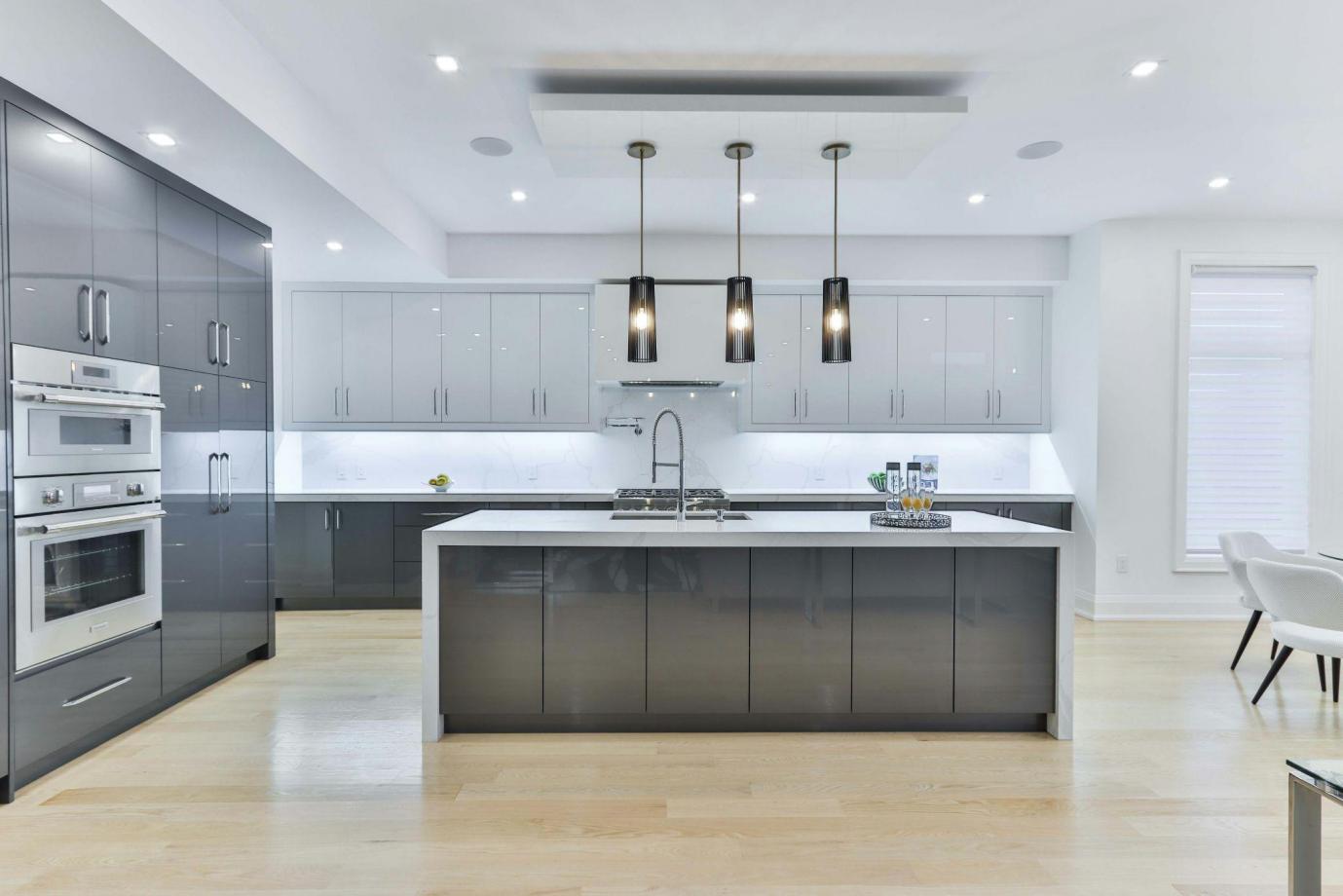
How Do I Make My Kitchen Feel Bigger?

If your kitchen feels small and crowded, you don’t have to live with it that way. Most homeowners would love a little extra room for cooking, hosting, and family time, but not everyone can take on a major renovation. The good news is that plenty of easy updates can make your kitchen feel bigger without adding square footage.

Keep reading for practical, design-friendly ideas you can start using right away to create a kitchen that feels brighter, more open, and far more enjoyable to spend time in.

Rethink Your Layout

The way your kitchen is laid out has a huge impact on how comfortable it feels. Even small changes to the floor plan can make a difference.

Removing upper cabinets and replacing them with open shelving or glass-fronted doors can stop the room from feeling boxed in. Some people also open up their kitchen to the dining or living area, making the whole space flow more naturally. Even if you’re not ready for a big remodel, consider how you move through the room and whether you could rearrange appliances or furniture to free up more space.

If you are considering a bigger change, professional custom kitchen design services can help create a layout that makes the best use of the space you already have.

Add or Upgrade a Kitchen Island

A kitchen island is one of the most popular updates for a reason. According to the 2025 Houzz Kitchen Trends Study, 58% of homeowners either add an island or upgrade an existing one when they remodel.

An island gives you extra prep space, seating for casual meals, and valuable storage, all while serving as a stylish focal point. A slim island or rolling cart can offer the same benefits even in small kitchens without crowding the room.

Keep It Light and Bright

Light colours and good lighting go a long way toward making a kitchen feel more open. Dark tones can make the room feel smaller, while pale shades reflect light and create a sense of airiness.

Choosing soft neutrals for walls and cabinetry will instantly brighten the space. Reflective finishes like glossy tiles, glass backsplashes, and stainless steel appliances can also bounce light around the room.

Natural light is always best, but if you don’t have much of it, you can layer in different kinds of lighting, such as pendant fixtures, under-cabinet strips, and ceiling lights, to create the same effect.

Streamline Storage

Clutter makes any room feel smaller, and the kitchen is no exception. Clear countertops instantly give the impression of more space. To achieve this, focus on smarter storage. Tall cabinets that reach the ceiling make the most of every inch, while pull-out pantry drawers and well-organised interiors keep essentials neatly tucked away.

Simple habits, such as putting away appliances you don’t use daily or donating items you no longer need, can have a significant impact. A tidy kitchen always feels more spacious than a crowded one.

Use Reflective and Transparent Surfaces

Shiny and see-through materials can also make a big difference. Glass cabinet doors are lighter on the eye than solid ones and add depth to the room. A mirrored backsplash can subtly double the sense of space, while stainless steel appliances add style and reflectivity.

Small touches, like choosing glass pendant lights instead of opaque shades, can help make the room feel more open.

Maximize Vertical Space

Don’t forget to look up if your kitchen is short on square footage. Using vertical space can free up counters and floors while making the room feel taller. Cabinets that go all the way to the ceiling provide more storage and draw the eye upward.

Hanging storage for pots, utensils, or mugs keeps things accessible without cluttering the counters. Open shelving can also work well if it’s styled neatly, adding personality while still being practical.

With the right design, even awkward corners can be turned into useful storage. Taking advantage of vertical space makes the whole room feel more balanced and efficient.

Transforming Your Kitchen Without Expanding the Walls

Making your kitchen feel bigger doesn’t always mean expanding it. With smart choices like a functional layout, a bright colour scheme, clever storage, and well-chosen features such as an island, you can completely transform how the space looks and feels. The result is a kitchen that feels more open, more welcoming, and much easier to enjoy.


August 21, 2025 by Sofia

Countertop Chaos? Here’s How Busy Families Can Actually Keep It Clutter-Free

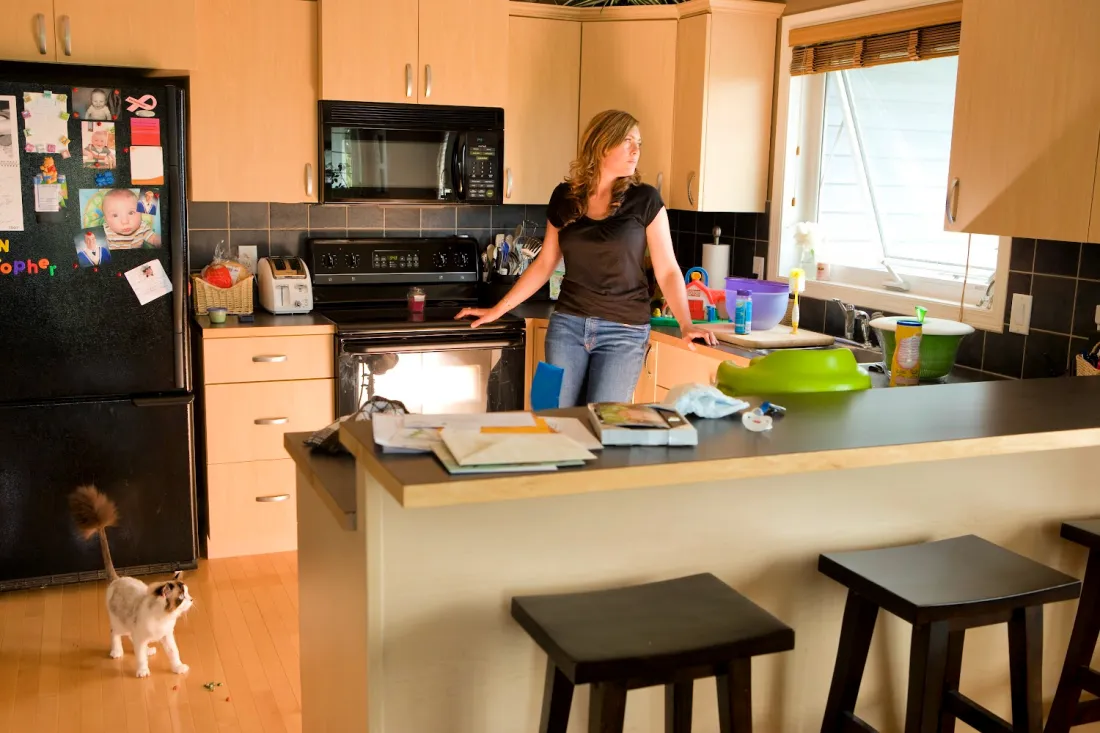
If you’ve ever walked into your kitchen and wondered how the countertops went from tidy to full-blown disaster in a single day, you’re definitely not alone. I’ve lost count of the times I’ve watched the pile grow: lunchboxes and mail, lost Lego pieces, hair ties, keys, you name it. Real talk—living with a family basically means you’re always one missed breakfast away from full countertop chaos. But don’t throw in the towel just yet. You really can claim those surfaces back (and keep them clear… most of the time). Here’s how.

Assign a Home for EVERYTHING (Not Just the Big Stuff)

Half the battle is that everyone dumps everything, everywhere. It helps to get really specific with where things go—the headphones, the markers, the vitamins. Designate a basket for keys and sunglasses by the door. Put a mail sorter somewhere out of direct sight but still close to the action. Even snacks get a tub or a drawer (honestly, this one’s saved me more stress than anything else because now I’m not playing hide and seek with the Goldfish crackers).

Let your crew know: “Hey, chargers live here. Mail goes in this tray. No more hair ties in the fruit bowl, please and thank you.” It doesn’t have to be a drill-sergeant thing, just a casual “let’s try this.” The Spruce has more ways to give everything a landing zone, so you’re not constantly backtracking.

Clear, Then Reset—Make It a Daily Habit

Habits are everything, especially with a busy family. Wipe down the counters at the end of the night, and encourage everyone to scoop up their stuff before heading to bed. It only takes a few minutes, but waking up to clear counters feels like hitting the reset button on the day—and yes, mornings really are a little less bananas because of it.

Some families like to set a timer (five-minute tidy, anyone?) or play a quick song and see if you can get it done before the end of the track. I’ve tried both. Both work surprisingly well. Good Housekeeping breaks down how to clean different types of counters, so you don’t accidentally ruin your nice countertop design or favorite stone surface with the wrong spray.

Use Smart Storage—Think Up, Not Just Out

If you’re constantly running out of space, look at your walls and cabinets. Hang up organizers or magnetic strips for knives. Add hooks underneath shelves for mugs or bananas. Even clear bins inside cabinets can keep snacks and kids’ odds-and-ends from creeping back onto the countertops.

And don’t overbuy organizers—sometimes a repurposed basket or a spare muffin tin (true story) does the job just as well. Once you get the daily buildup off your surfaces, you actually get to enjoy the pretty slab you picked out—after all, good countertop design deserves to be seen, right?

Real Simple offers clever storage solutions that help keep families on track, even when the homework, baking, and crafts are in full swing.

Quick Reality Check: Give Yourself Grace

Let’s be honest, nobody’s counters are spotless all the time (at least, nobody worth hanging out with). Life gets busy. If things pile up now and then, it doesn’t mean you failed. Kids and chaos go hand in hand. Take 10 seconds to breathe, put away the snack wrappers, and move on.

A little routine, some clever storage, and fair expectations make those counters work for you—not against you. And hey, the next time you see that space clear when you walk in? It’ll feel like a small win in a week full of them.


August 8, 2025 by Sofia

Keeping Little Ones Safe: Real-World Tips for Securing Furniture at Home

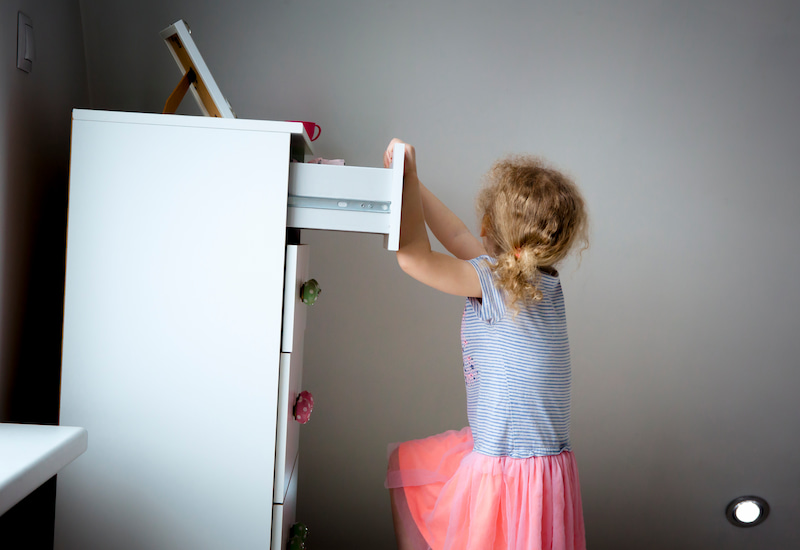
If there’s one thing you learn—fast—when you’ve got toddlers around, it’s that absolutely nothing is off-limits to a curious kid. Coffee tables become climbing walls. Dressers and chests of drawers? Well, those are just ladders waiting to happen. It’s honestly kind of amazing how quickly a living room can go from peaceful to Olympic obstacle course the minute you look away.

But here’s the upside: with a few easy moves, you can make your home way safer without wrapping everything in bubble wrap or losing your mind. Let’s get into the tried-and-true ways to anchor, arrange, and adjust your space so your kiddos can explore with a whole lot less worry.

Why Anchoring Really Matters (And Isn’t Just for Overprotective Parents)

Kids are quick, and their sense of danger is—let’s be kind—a work in progress. That’s why anchoring furniture isn’t a “someday” thing; it’s a today thing. According to the Consumer Product Safety Commission, tip-overs send thousands of children to the ER every year. The most common culprits? Dressers and chests of drawers. Yup, the stuff we use every single day can flip over just from a kiddo trying to grab a teddy.

How to Secure Furniture (Without Wrecking Your Walls)

Okay, so what actually works? Start with furniture anchors or anti-tip straps—they’re cheap, easy to find, and way simpler to install than you might think. Most brands come with clear instructions and all the hardware you need. Just pick up a drill and a measuring tape, and you’ll be done in about ten minutes per piece (maybe longer if you’re juggling nap time).

Prioritize bookcases, big shelves, and—especially—dressers and chests of drawers. The heavier the item, and the more drawers it has, the higher the risk. Consumer Reports has an excellent guide to walk you through securing everything from the TV stand to those wobbly living room tables.

For renters or reluctant DIYers, there are even tool-free anchors that clamp to the furniture and brace against the wall, so you aren’t left patching holes when you move. Either way, the goal is simple: nothing falls over, even if your little superhero scales to the very top.

Small Adjustments, Big Results

Besides anchoring, slide heavier items lower down on shelves to make climbing less appealing. Keep remotes, toys, and books out of reach on high shelves, so kids aren’t tempted to step up.

Shut and lock drawers after use, or try out drawer stops that keep all the drawers from being opened at once (a silly little thing, but it works). Also, scoot furniture away from windows—no one wants an accidental boost to a ledge. If you’ve got wobbly or uneven floors, slip resistant pads or grippers under the feet of heavy pieces give a little extra security.

Making Safety Part of the Routine

This doesn’t have to be an afternoon project. Knock out a room or two each weekend or set a reminder in your phone to check anchors every few months. If something feels loose (or you catch your kid giving your bookcase the side-eye), don’t wait—tighten it up.

You don’t have to baby-proof the fun out of your house. Just a few anchors and a pinch of planning help you relax—and let your little ones roam free to discover their latest “adventure.”


June 25, 2025 by Sofia

The Ultimate Budget Guide for Newlyweds Starting Their First Home Together

Starting a new life together brings both excitement and financial challenges. Creating a budget is extremely important for managing expenses and ensuring a smooth start. Start by monitoring your income and expenditures to understand your financial landscape. List all anticipated costs, including one-time purchases and recurring bills. Setting financial priorities will help you allocate funds effectively. Including a line item for home decor can ensure your budget covers all aspects of your new home. Effective budgeting requires both partners to be on the same page, so open communication is key.

Prioritizing essential expenses

Essential expenses are the backbone of any budget. Focus first on your rent or mortgage payments, utilities, groceries, and insurance. Determine how much of your income is consumed by these necessities. Seek out affordable grocery options and compare utility providers to ensure you get the best rates. Meal planning can dramatically cut down on food costs and reduce waste. By carefully managing these essential expenses, you’ll have a clearer picture of your remaining budget for other needs and goals.

Budgeting for home furnishings

Furnishing your home doesn’t have to be expensive. Explore options like this furniture store in Park City, Utah, which offers high-quality pieces at reasonable prices. Decide which items are worth buying new—such as a mattress or a sofa—and which can be purchased secondhand, like side tables or dining chairs. Look for thrift stores, garage sales, or online marketplaces to find gently used items that fit your style and budget. Consider upcycling old furniture with fresh paint or new hardware to save money. Be patient and build your collection over time to spread out costs. Choose versatile pieces that serve multiple functions, like a sofa bed or a dining table with storage. Adding budget-friendly items can enhance your decor without stretching your budget. Remember, with some creativity, you can furnish your home stylishly and affordably.

Decorating on a dime

Opt for DIY projects to create a unique and affordable decor. Painting an accent wall or repurposing old items can revive your home without breaking the bank. Use budget-friendly options like a bathroom window curtain from Country Village Shoppe to add charm and privacy. Small, inexpensive changes, such as new throw pillows or a stylish rug, can significantly impact. Browse thrift stores and garage sales for hidden gems that fit your style. Upcycling old furniture with paint or new hardware can save money and personalize your space. By thinking outside of the box and being resourceful, you can transform your home without overspending.

Building a savings plan

Setting aside money regularly is crucial for long-term financial stability. Start by identifying a portion of your income to save each month. Use this fund for emergencies, future goals, and larger investments. Automating your savings can make the routine seamless and reliable. A joint savings account might simplify contributions from both partners. It’s also wise to set specific savings targets, whether for a down payment on a house, a vacation, or starting a family. Look for savings accounts with the best interest rates to maximize your returns.

Also, think about establishing an emergency fund that covers three to six months of living expenses. This safety net allows peace of mind and financial security in unexpected events. Prioritize saving as part of your budget, and regularly review your progress to make sure that you’re on track. Small, consistent contributions can increase over time, helping you achieve your financial goals more efficiently.

Managing debt as a couple

Combining finances often means merging debts. Begin by listing all debts and their interest rates. Focus on paying off high-interest debts first to minimize overall interest. Establish a realistic payment plan and stick to it. Consider consolidating debts to simplify payments and potentially lower interest rates. Open communication about spending habits and debt management is essential. Be supportive and patient with each other, celebrating milestones like paying off a credit card or loan.

Regular budget check-ins

Regularly reviewing your budget is vital to its success. Set aside time each month to go over your finances together. This habit allows you to track progress, identify problem areas, and make necessary adjustments. If you’ve overspent in one category, look for alternatives to cut back in others to balance your budget. Keep an eye on your income and any changes in your expenses, such as increased utility bills or unexpected costs.

Use budgeting apps or spreadsheets to help organize your financial information and simplify the review process. Be honest about what’s working and what needs improvement. Celebrate small victories, like sticking to your grocery budget or paying off a bill. Regular check-ins help you stay accountable and proactive, ensuring your financial goals are within reach.

Budgeting as newlyweds requires teamwork, flexibility, and open dialogue. With mutual support and smart financial choices, you can navigate this exciting new chapter confidently and successfully.


June 18, 2025 by Sofia

Bathroom Remodel Tips for Teens: Style, Storage, and Sanity

Remodeling a bathroom for a teenager isn’t just about picking a new paint color. It’s an adventure in balancing style, function, and—let’s be honest—a fair amount of daily chaos.

Teens want a space that feels a little grown-up, definitely cool, and organized enough that towels and hair products aren’t always on the floor. Sound familiar? Let’s break down how to design a bathroom remodel that both you and your teen will love.

Think Durability First

Don’t underestimate what your bathroom will go through. Makeup spills, toothpaste blobs, steamy showers, and the occasional skincare “lab experiment”—it all adds up. Go for easy-clean surfaces like porcelain or ceramic tile for floors and walls. Solid countertops like quartz or composite materials save you from endless scrubbing and can handle spills without a fuss.

Smart Storage Is Everything

Teen bathrooms have a way of collecting stuff—from curling irons to ten different scented body washes. Skip the pedestal sink and choose one with built-in storage or drawers. Floating shelves, baskets, and over-the-toilet cabinets can be lifesavers for squeezing more space out of every corner.

Don’t forget hooks! Between hoodies, robes, towels, and tote bags, there’s always something that needs a spot to hang. Doubling up on towel bars or choosing a combo of hooks and shelves helps keep peace (and towels off the floor).

Let Them Personalize Within Reason

It’s their space, so let your teen pick a few design elements. Maybe it’s a pop of color on the walls, a motivational poster, or a favorite plant on the windowsill. Modern peel-and-stick wallpaper is budget-friendly and easy to swap out if tastes change next year—because they probably will.

Consider accessories that are both fun and functional: funky shower curtains, playful soap dispensers, or colorful storage bins. These little touches make the room feel like theirs without locking you or the next owner into a permanent trend.

Lighting: Not Just for TikTok

Every teen wants great lighting, whether it’s for selfies or just making sure their eyeliner is even before school. Layered lighting—overhead plus bright task lights around the mirror—makes all the difference. Swap in LED bulbs for true-to-life color and energy savings, and add a dimmer switch for those groggy early mornings.

Make Shower Time Smoother

If you can, splurge a little on a bigger shower or a deeper tub. Teens love their routines, and a little more elbow room can prevent a lot of sibling squabbles. Install a handheld showerhead for easy cleaning and to help after the occasional at-home hair dye experiment.

Remodeling a bathroom for a teen isn’t just a design project—it’s a way of showing trust and giving them responsibility for their own space. With smart choices, patience, and a little bit of compromise, you’ll end up with a bathroom that survives the busiest mornings.

  • 1
  • 2
  • 3
  • …
  • 8
  • Next Page »

About Me and My Family

Hey! I'm Sofia, mother or two and happily married to my husband, Lorenzo. We believe family is the most important thing in life today. People can get easily distracted by all the business life brings. This blog is dedicated to helping you navigate life and spend more time with your family!

Archives

  • November 2025
  • October 2025
  • September 2025
  • August 2025
  • July 2025
  • June 2025
  • May 2025
  • April 2025
  • March 2025
  • February 2025
  • January 2025
  • December 2024
  • November 2024
  • October 2024
  • August 2024
  • July 2024
  • June 2024
  • May 2024
  • April 2024
  • March 2024
  • February 2024
  • January 2024
  • December 2023
  • November 2023
  • October 2023
  • September 2023
  • August 2023
  • July 2023
  • June 2023
  • May 2023
  • February 2023
  • January 2023
  • December 2022
  • November 2022
  • October 2022
  • September 2022
  • August 2022
  • July 2022
  • June 2022
  • May 2022
  • April 2022
  • March 2022
  • February 2022
  • January 2022
  • December 2021
  • November 2021
  • October 2021
  • September 2021
  • August 2021
  • July 2021
  • June 2021
  • May 2021
  • April 2021
  • March 2021
  • February 2021
  • January 2021
  • December 2020
  • November 2020
  • October 2020
  • September 2020
  • August 2020
  • July 2020
  • June 2020
  • May 2020
  • April 2020
  • March 2020
  • February 2020
  • January 2020
  • December 2019
  • November 2019
  • October 2019
  • September 2019
  • August 2019
  • July 2019
  • June 2019
  • May 2019
  • April 2019
  • March 2019
  • February 2019
  • January 2019
  • December 2018
  • November 2018
  • October 2018

NEWSLETTER

Follow Us Online

  • Facebook
  • Instagram
  • Pinterest
  • Twitter

Recent Post

  • Don’t Get Caught Off-Guard: Plumbing Problems You Should Watch For This Winter
  • How to Help Your Child Feel More Confident
  • How To Keep Your Whole Family Comfortable When Staying In An RV
  • How to Protect Yourself When Hiring a Home Builder
  • The Benefits of Passive House Design in Residential Construction

One and Co

Featured

Don’t Get Caught Off-Guard: Plumbing Problems You Should Watch For This Winter

How to Help Your Child Feel More Confident

How To Keep Your Whole Family Comfortable When Staying In An RV

  • Home
  • About
  • Lifestyle
  • Family
  • Tips
  • Food
  • Baby
  • Blog
  • Contact

Copyright © 2018 ·Family Ever After Blog