The moment a doctor signs a discharge paper, a wave of relief usually washes over the patient and their family. The clinical environment of a hospital, while necessary, is often stressful and exhausting. However, that relief is frequently followed by a daunting realization: the safety net of 24/7 medical supervision has vanished.
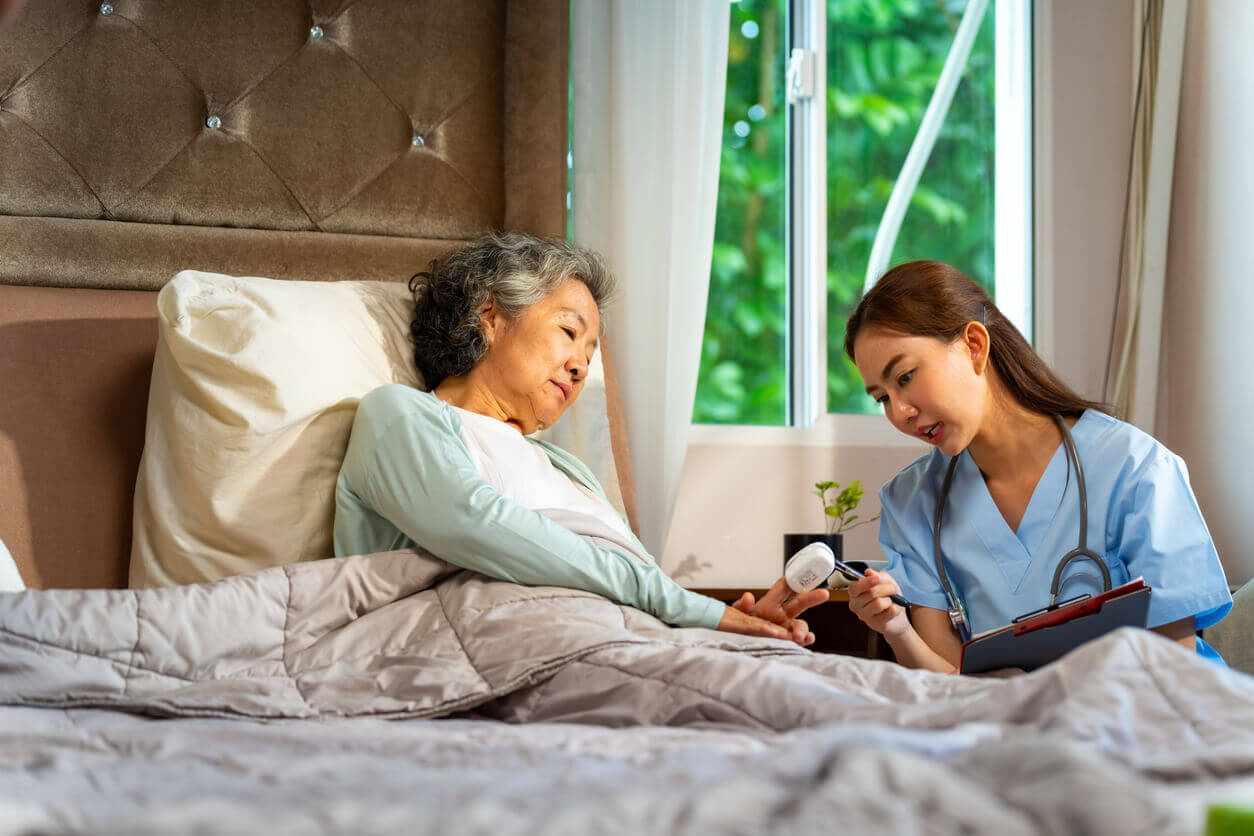
The transition from a highly controlled hospital setting to the unpredictability of home is where the recovery process is most vulnerable. This is why a private nurse at home has evolved from a luxury service into an essential bridge—a professional safety net that ensures the “healing” started in the ward doesn’t unravel in the living room.
The Gap Between “Stable” and “Healed”
In medical terms, being discharged doesn’t mean you are fully recovered; it simply means you are “clinically stable.” There is a significant physiological and psychological gap between being stable enough to leave a hospital and being capable of managing a complex recovery independently.
Private nursing fills this gap by providing a continuity of care that family members, no matter how well-intentioned, are simply not equipped to provide. While a spouse or child can offer love and comfort, they often lack the clinical “eye” required to spot the subtle signs of a brewing complication, such as a brewing infection or a minor adverse reaction to new medication.
The Power of Clinical Expertise at Home
The primary value of a private nurse lies in their specialized training and experience. Recovery is rarely a linear path; it is full of nuances that require professional judgment.
1. Advanced Wound Care and Monitoring
Post-surgical patients often return home with drains, sutures, or complex dressings. A private nurse ensures these are managed with sterile techniques, significantly reducing the risk of Hospital-Acquired Infections (HAIs) that might otherwise lead to readmission. They know exactly what “normal” healing looks like versus the early stages of necrosis or sepsis.
2. Medication Management and Reconciliation
Discharge often comes with a confusing new cocktail of medications. Mismanagement—taking the wrong dose, skipping a dose, or ignoring contraindications—is one of the leading causes of post-discharge emergencies. A nurse brings a systematic approach to pharmacology, ensuring every pill is administered correctly and monitoring the patient for side effects in real-time.
3. Skilled Assessment
Nurses are trained in the art of assessment. They monitor vital signs, lung sounds, and cognitive shifts. They can differentiate between “post-op fatigue” and “symptomatic hypotension.” This expertise allows for proactive intervention—calling the primary physician to adjust a treatment plan before a situation becomes a crisis.
Critical vs. Necessary: Understanding the Distinction
It is important to clarify that private nursing is not a legal or medical necessity for every single patient. Many people recover just fine with the help of family. However, for many, it is critical.
The distinction lies in the complexity of the condition and the “margin for error.” For an elderly patient with multiple comorbidities (like diabetes and heart disease) or a patient recovering from major neurological or orthopedic surgery, the margin for error is razor-thin. In these cases, private nursing isn’t just “nice to have”; it is the factor that prevents a “bounce-back” to the ER.A private nurse doesn’t just perform tasks; they provide a clinical insurance policy for the home environment.
The Psychological Benefit: Reducing the “Caregiver Burden”
We often overlook the impact of discharge on the family. When a loved one comes home, family members suddenly find themselves thrust into the role of “unskilled nurses.” This creates immense stress, which can negatively affect the patient’s environment.
When a professional nurse is present, the family is allowed to return to their primary role: being a support system. They can focus on emotional connection and encouragement, leaving the clinical heavy lifting—such as catheter care, injections, and monitoring—to the expert. This creates a calmer, more conducive environment for healing.
Key Benefits at a Glance
● Reduced Readmission Rates: Professional oversight catches issues early, keeping patients out of the hospital.
● Personalized Care: Unlike a hospital nurse managing six patients at once, a private nurse provides one-on-one attention tailored specifically to the patient’s unique recovery pace.
● Education: Nurses teach the patient and family how to eventually manage care independently, acting as a bridge to total self-sufficiency.
● Improved Mobility: Nurses can assist with guided physical therapy exercises, ensuring the patient moves safely without risking a fall.
Conclusion: Investing in the Final Mile
The “final mile” of healthcare happens at home. Hospitals do the heavy lifting of saving lives and stabilizing crises, but the long-term success of any medical intervention depends on what happens in the weeks following discharge.
Private nursing provides the clinical expertise, the trained eye, and the peace of mind necessary to navigate this fragile period. While the patient may be “out of the woods” of the hospital, the bridge of private nursing ensures they don’t get lost on the way back to their normal life. It is an investment in safety, a commitment to proper healing, and the most effective way to turn “clinical stability” into a full, robust recovery.
Leave a Reply